Geodesic Domes
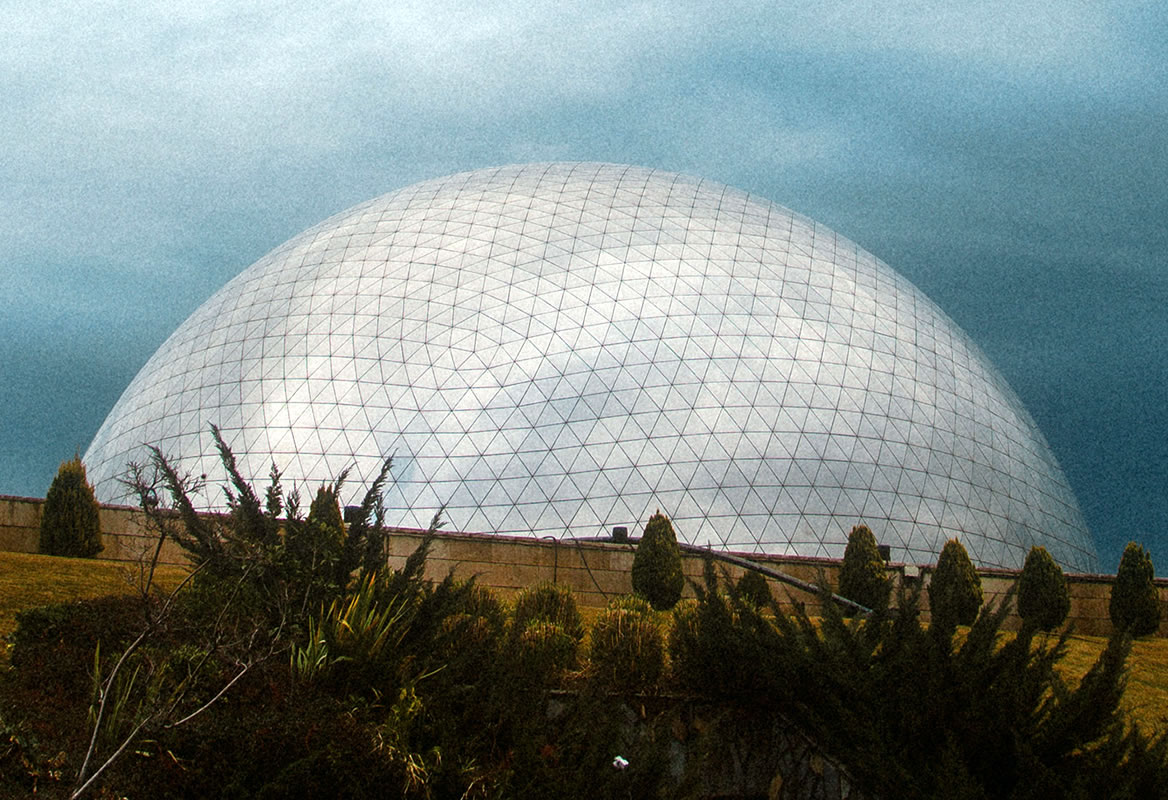
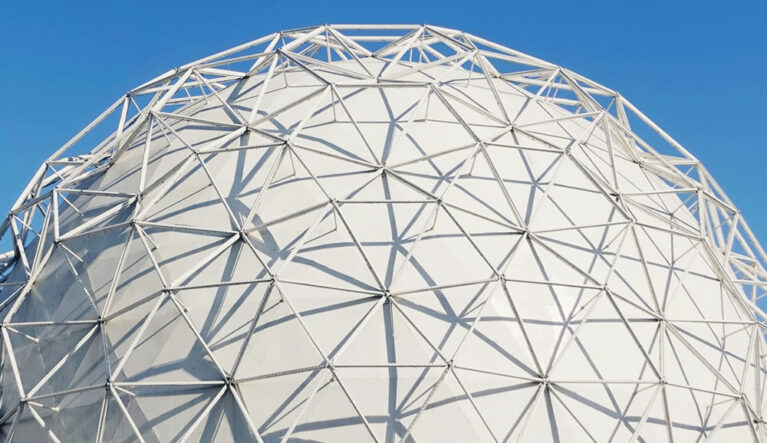
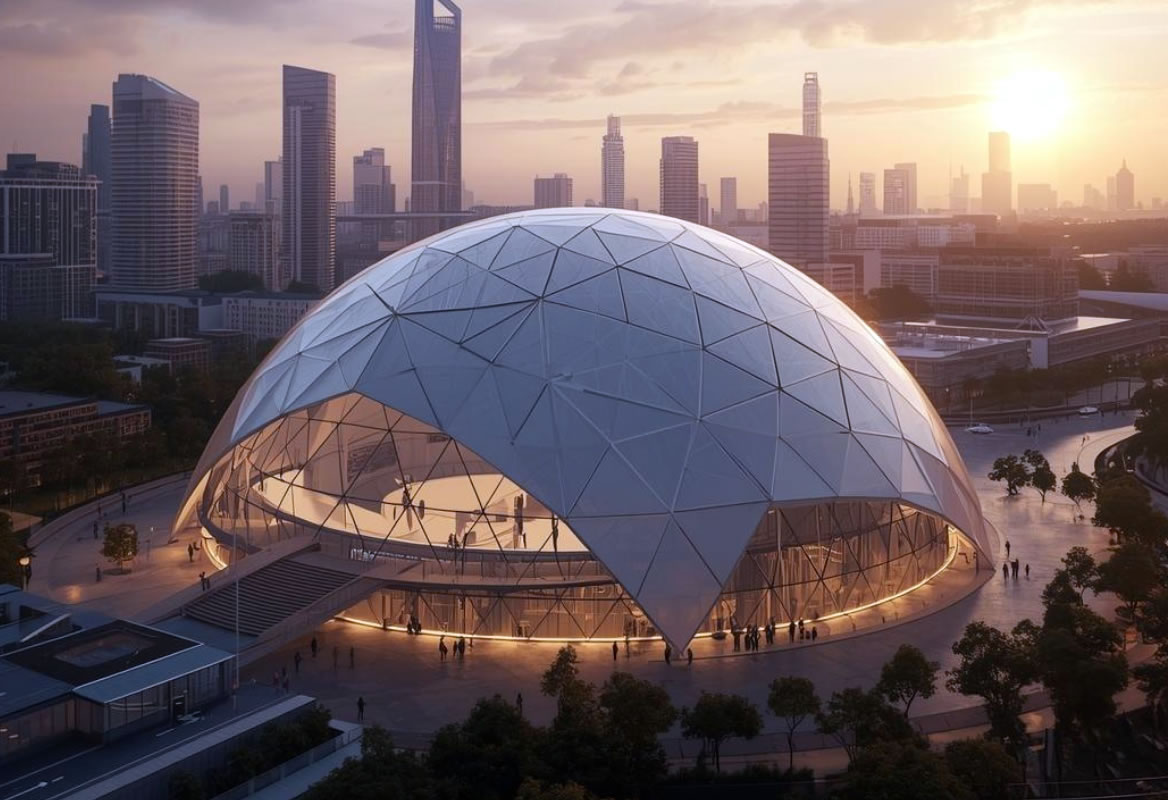
A geodesic dome is a hemispherical thin-shell structure based on a network of geodesics (great circles) on the surface of a sphere. Engineered as a high-performance dome structure, it is composed of a complex triangular grid that distributes stress across the entire structure. By utilizing this geodesic tensile structure, architects can create incredibly strong enclosures that use significantly less material than traditional rectangular buildings, making the dome the most efficient way to enclose a large volume of space.
The Strategic Value of a Geodesic Structure
Investing in a geodesic dome offers unparalleled advantages for large-scale, clear-span requirements. This specialized dome structure acts as a self-supporting shell, meaning it does not require internal columns or load-bearing walls. By opting for a geodesic tensile structure, project managers can maximize interior floor area for everything from scientific research stations to eco-resort dwellings, ensuring that the dome remains stable under extreme environmental pressures like heavy snow and high-velocity winds.
Technical Engineering of Geodesic Tensile Structures
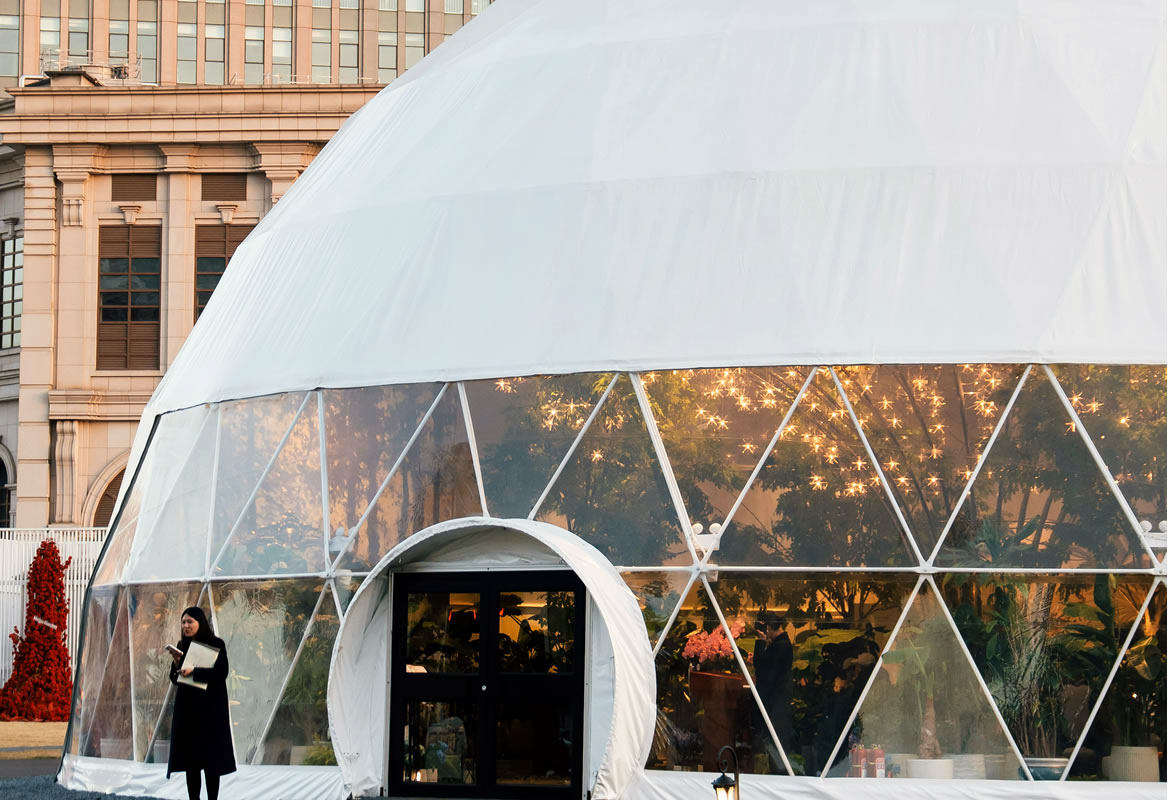
Our approach to the geodesic dome focuses on precision geometry and advanced membrane integration. We specialize in every dome structure we manufacture, utilizing high-grade steel or aluminum hubs paired with an architectural geodesic tensile structure (often PVC, PTFE, or ETFE). Whether you are developing a permanent planetarium, a botanical conservatory, or a remote research structure, our dome solutions are engineered to withstand seismic activity and extreme thermal expansion.

Dome Tensile Structures